Biotechnology, AI, and the Bioeconomy
Advances in biotechnology, artificial intelligence, and engineering are rapidly expanding what is possible in the life sciences. I am particularly interested in the policies and investments needed to support a strong bioeconomy, accelerate beneficial innovation, and ensure that emerging capabilities are developed and used safely and responsibly.
Gene Synthesis Security
Increasing Gene Synthesis Security Risk Awareness Through Global Engagement and Collaborative Exercise Development
Mui AK, Gronvall GK, Dumaoal OSR, et al. In this case study, we describe the use of collaborative development of simulation exercises as an approach to raise awareness among key stakeholders of potential biosecurity risks associated with use of gene synthesis, while identifying context-specific, multilayered approaches to biosecurity that can be implemented at the national and institutional level. Experts from India, Indonesia, Kenya, and the Philippines worked in mentored, virtual breakout sessions to develop simulation exercises based on first-hand knowledge of local context to inform appropriate, sustainable approaches to measures to enhance oversight of nucleic acid synthesis procurement at the institutional level or to promote adoption of national frameworks. This project reinforced the proof-of-principle that collaborative exercises can be used to address a broad variety of research governance gaps to enhance national and institutional biosecurity. Health Security. 2025;23(6):449-455
Safeguarding Mail-Order DNA Synthesis in the Age of Artificial Intelligence
Batalis S, Schuerger C, Gronvall GK, Walsh ME. Mandating mail-order DNA synthesis providers to screen DNA synthesis orders is a critical safeguarding step that should be taken as soon as possible. Over time, biological design tools will reduce the effectiveness of such a regulation and actions should be taken now to limit the negative impacts in the future. Applied Biosafety. 2024;29(2):79-84
Strengthening Security for Gene Synthesis: Recommendations for Governance.
Kobokovich A, West R, Montague M, Inglesby T, Gronvall GK. Since the inception of gene synthesis technologies, there have been concerns about possible misuse. Using gene synthesis, pathogens—particularly small viruses—may be assembled “from scratch” in the laboratory, evading the regulatory regimes many nations have in place to control unauthorized access to dangerous pathogens. Progress has been made to reduce these risks. In 2010, the US Department of Health and Human Services (HHS) published guidance for commercial gene synthesis providers that included sequence screening of the orders and customer screening. The industry-led International Gene Synthesis Consortium (IGSC) was formed in 2009 to share sequence and customer screening methods, and it now includes the major international gene synthesis providers among its members. Since the 2010 HHS Guidance was released, however, there have been changes in gene synthesis technologies and market conditions that have reduced the efficacy of these biosecurity protections, leading to questions about whether the 2010 HHS Guidance should be updated, what changes could make it more effective, and what other international governance efforts could be undertaken to reduce the risks of misuse of gene synthesis products. This article describes these conditions and recommends actions that governments should take to reduce these risks and engage other nations involved in gene synthesis research. Health Security. 2019;17(6):419-429.
California shows the way for biosecurity in commercial gene synthesis
West, R., Gronvall, G.K.
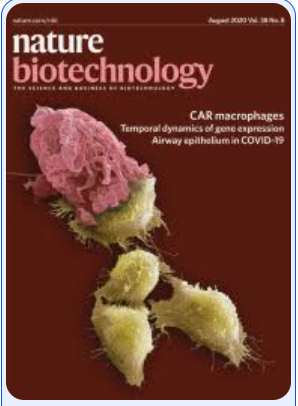
I happened to be featured in an NPR segment on gene synthesis that aired at the same time former Assemblymember Rudy Salas (CA-32) was listening. He asked his legislative aide to contact me, starting a 3-year journey, interrupted by COVID-19, to pass AB1963. This law, signed by California Governor Gavin Newsom on August 26, 2022, requires California educational institutions to only purchase gene synthesis orders from companies that perform biosecurity screening. I helped write the legislation, and testified multiple times in its support. This was the model used by the Biden Administration to enact a federal version in 2023. Nat Biotechnol38, 1021 (2020).
Artificial Intelligence
The Age of AI in the Life Sciences: Benefits and Biosecurity Considerations. NASEM consensus report, 2025
I was a member on this committee, chaired by Mike Imperiale and Lynda Stuart.
Report on the Impact of Artificial Intelligence and Associated Technologies on Arms Control, Nonproliferation, and Verification (2023)
I was one of the authors of this report from the International Security Advisory Board. Among its recommendations, it includes that the Department of State should take this opportunity to lead international partners to prepare for the possible negative uses of AI/ML in biotechnology, to develop a shared understanding with allies about the risks of misuse, and to encourage the development of common levers to mitigate misuse. The Department of State should encourage allies and partners to further develop gene synthesis security domestically and through international mechanisms.
The Bioeconomy

Integrating safety, security, sustainability, and social responsibility principles into the U.S. bioeconomy
Bioindustrial manufacturing is undergoing rapid expansion and investment and is seen as integral to nations’ economic progress. Ensuring that bioindustrial manufacturing benefits society as the field expands is of critical, urgent importance. To better understand the industry’s ethical trajectory and to shape policy, we explored the views of biotechnology leaders on four aspects of ethical and social responsibility—safety, security, social responsibility, and sustainability—what we have termed “4S principles.” We identified policy actions governments and other stakeholders may take to maximize societal benefits in industrial biotechnology. Attal-Juncqua A, Getz J, Morhard R, Gronvall GK. 2024. Integrating safety, security, sustainability, and social responsibility principles into the U.S. bioeconomy. mSphere 9:e00084-24.
Report on Biotechnology in the PRC’s Military-Civil Fusion Strategy
I was one of the authors of this report from the International Security Advisory Board (State Department). This report proposes steps for the Department of State and the U.S. government to take toward a global biotech ecosystem in which the U.S. sustains and leverages its leadership to develop rules of the road with a broad range of partners to support scientific cooperation and trade. In this future end state, no country (including the PRC) would exert singular control over data or supply chains for critical pharmaceuticals, but instead would contribute within a competitive global bioeconomy in alignment with practices and values shared by the United States and its partners and allies. This requires a long-term strategic approach, and the leadership of State to build this global environment that aligns with U.S. interest.